.png)


Why Movement Breaks Work: The Science Behind Small, Consistent Movement

If you feel like you don’t have time to work out, you’re not alone. Research shows that lack of time is one of the biggest reasons people don’t stay active. But what’s interesting is that recent science doesn’t just acknowledge this problem - it offers a different solution.
Instead of relying only on long workouts, researchers are now looking at something much simpler: short, repeated bouts of movement throughout the day.
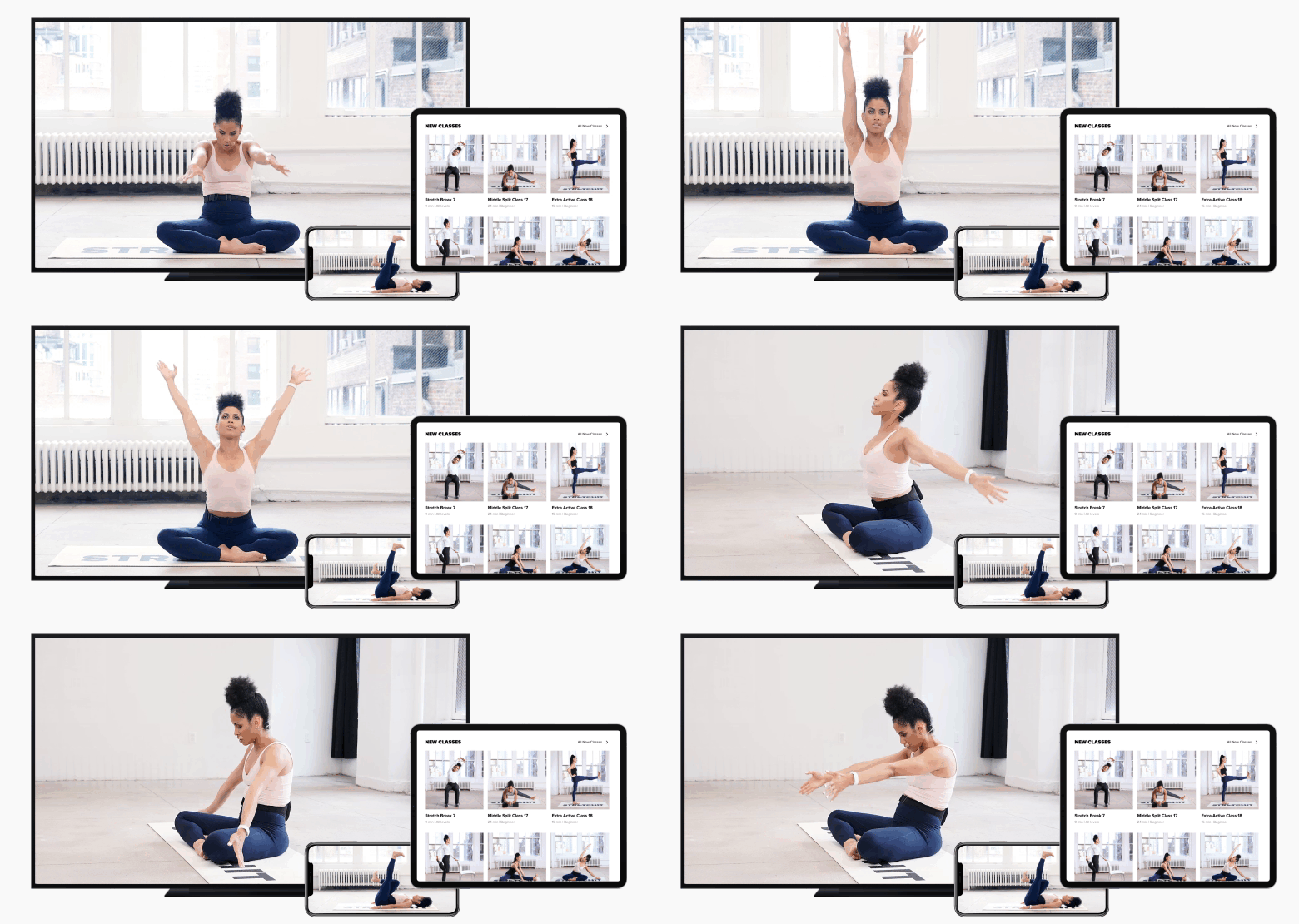
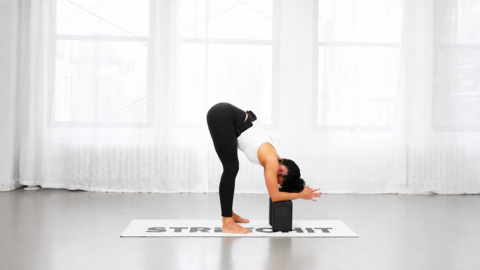
These are often called “exercise snacks.” At STRETCHIT, we think of them as Movement Breaks.
And they are more powerful than they sound.
Not All Movement Is the Same
To understand why Movement Breaks work, it helps to clarify something important.
In research, there are actually three slightly different ideas that often get mixed together:
- very short, intentional bursts of exercise (exercise snacks)
- breaking up long periods of sitting with light or moderate movement
- natural short bursts of activity in daily life
They are related, but not identical.
Movement Breaks sit somewhere in the middle. They can be simple, accessible, and short, but still intentional enough to create real physiological effects.
The Real Problem Isn’t Just “Not Exercising”
For a long time, the conversation around health was simple: exercise more.
But newer research shows something more nuanced.
The issue is not only how much you exercise. It’s also how much you sit.
Long, uninterrupted sitting has been linked to poor metabolic health. And importantly, even if you do one workout a day, sitting for the rest of the time can still have negative effects.
This is where Movement Breaks become important.
They don’t just add activity. They change the pattern of your day.
Small Bouts, Real Physiological Effects
One of the most compelling findings in recent research is that short, repeated movement can directly affect how your body processes energy.
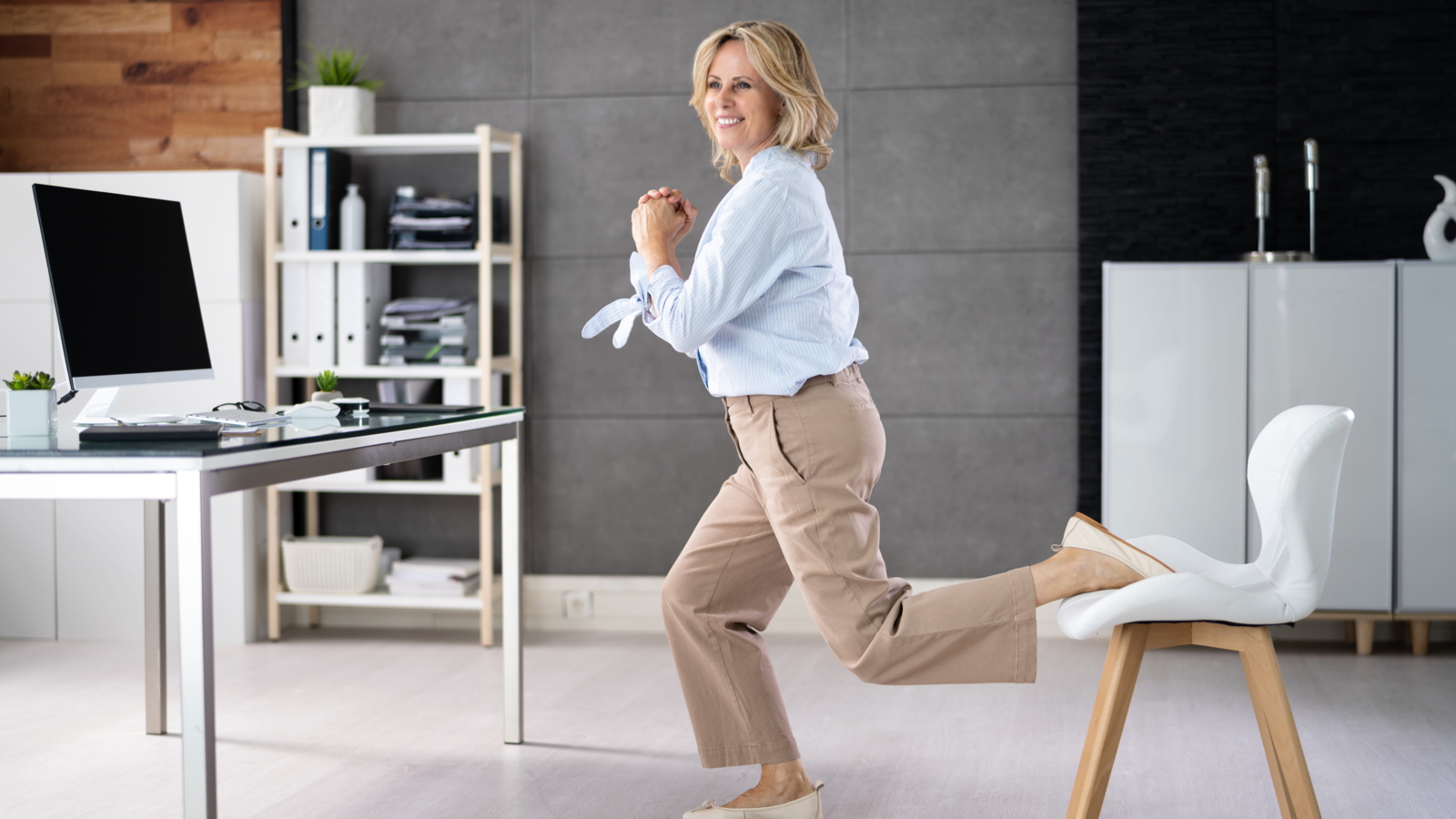
In one controlled study, participants interrupted sitting with short bouts of walking or squats every 45 minutes. Compared to continuous sitting, these frequent breaks significantly improved blood sugar control after meals.
What’s even more interesting is that these short, repeated bouts were more effective than doing one longer workout and then sitting the rest of the day.
This suggests that timing matters just as much as total activity.
Movement isn’t just something you “complete.” It’s something your body responds to continuously.
Can Short Movement Improve Fitness?
This is where the research becomes especially relevant for product positioning.
A randomized controlled trial looked at inactive adults performing short bursts of stair climbing throughout the day instead of traditional longer workouts.
The result: measurable improvements in cardiovascular fitness.
Not “a little better than nothing,” but actual improvements in VO₂ max, which is one of the key markers of heart and lung health.
At the same time, the study showed limits. These short bouts did not improve fat oxidation in the same way.
So the takeaway is clear:
Short movement can build fitness, but it’s not a full replacement for all types of training.
What Happens in Real Life
Controlled studies are one thing. Real life is another.
That’s why large-scale observational research is important.
A major cohort study tracking over 25,000 people found that even brief bursts of activity throughout the day were associated with lower risk of cardiovascular events and lower overall mortality, especially in people who did not exercise at all.
Even very short bouts, under one minute, showed benefits when they were done with enough intensity.
This doesn’t prove cause and effect in the same way as a clinical trial. But it strongly supports one idea:
Small amounts of movement, done consistently, matter.

Why This Approach Actually Works for People
There’s also a behavioral side to all of this, and it may be the most important part.
In one study, 50% of inactive adults said lack of time was their main barrier to exercise.
Other common reasons included:
- not enjoying workouts
- having other priorities
This is where Movement Breaks become more than just a health tool.
They solve a real-life problem.
You don’t need to plan your day around exercise. You fit movement into the day you already have.
Movement Breaks vs Traditional Workouts
It’s important to be clear here.
Movement Breaks are not meant to replace structured workouts.
But they do something different, and equally valuable:
- they reduce long periods of inactivity
- they make movement more consistent
- they lower the barrier to getting started
- they support overall health, especially for busy or inactive people
Think of them as a foundation. Not a substitute.
What This Means for You
The biggest shift in thinking is this:
Health is not built only in long sessions. It’s built in patterns.
Small, repeated actions throughout the day can shape how your body functions, how your energy feels, and how sustainable your routine becomes.
And unlike long workouts, these actions are easier to repeat.

Get Started with STRETCHIT
Movement Breaks are designed for real life.
They help you stay active throughout the day, even when you don’t have time for a full workout.
With STRETCHIT, you get:
- short, guided routines you can do anywhere
- structured prompts to break up long periods of sitting
- expert-designed sequences that support your body throughout the day
Start small. Stay consistent. That’s where real change begins.
References:
Islam, H., Gibala, M.J., Little, J.P. Exercise Snacks: A Novel Strategy to Improve Cardiometabolic Health. Frontiers in Cardiovascular Medicine, 2022.
Jenkins, E.M., Nairn, L.N., Skelly, L.E., et al. Exercise snacks are a time-efficient alternative to moderate-intensity continuous training for improving cardiorespiratory fitness but not maximal fat oxidation in inactive adults: a randomized controlled trial. Applied Physiology, Nutrition, and Metabolism, 2024. DOI: 10.1139/apnm-2023-0593
Dempsey, P.C., et al. Enhanced muscle activity during interrupted sitting improves glycemic control in overweight and obese men. Scandinavian Journal of Medicine & Science in Sports, 2024. DOI: 10.1111/sms.14628
Ahmadi, M.N., Hamer, M., Gill, J.M.R., Murphy, M.H., Sanders, J.P., Doherty, A. Brief bouts of device-measured intermittent lifestyle physical activity and its association with major adverse cardiovascular events and mortality in people who do not exercise: a prospective cohort study. The Lancet Public Health, 2023, 8(11), e800-e810. DOI: 10.1016/S2468-2667(23)00183-4
Hoare, E., Stavreski, B., Jennings, G.L., Kingwell, B.A. Exploring Motivation and Barriers to Physical Activity among Active and Inactive Australian Adults. Sports, 2017, 5(3), 47.