.png)


Stretching Mistakes You Didn’t Know You’re Making
In one of STRETCHIT live sessions, our trainer Alicia Archer explored a topic that many people can relate to: feeling like you’re stretching consistently, but not getting the results you expect.
Instead of framing this as “doing something wrong,” the session focused on a more helpful idea: often, it’s not about mistakes, but about using positions that don’t match your body’s current capabilities.
Below, we break down key insights from the session and highlight common patterns that may be limiting your progress, along with simple ways to rethink your approach.
Mistake 1: Chasing the shape instead of the sensation
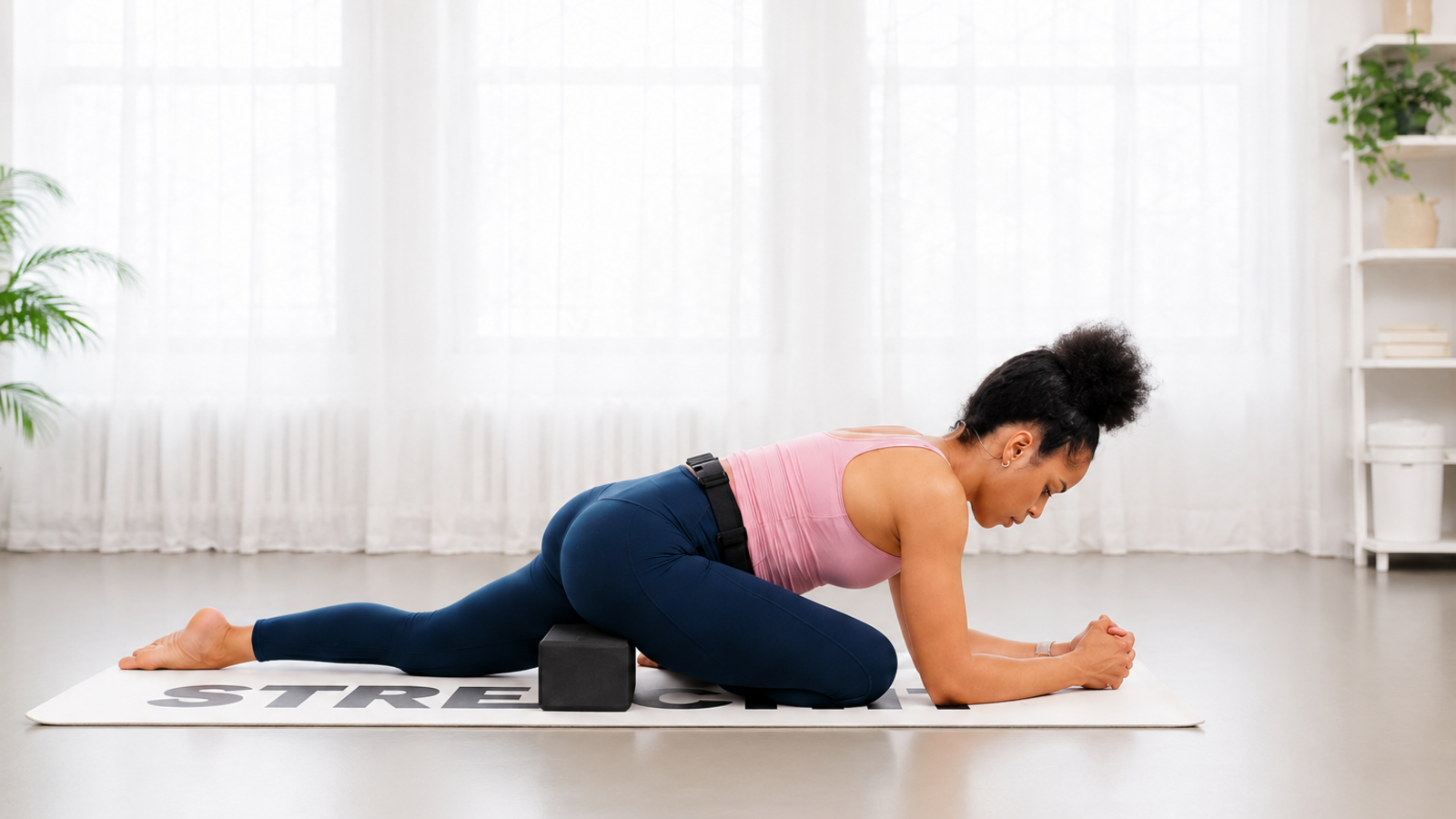
One of the most common patterns is trying to copy what a stretch is “supposed” to look like.
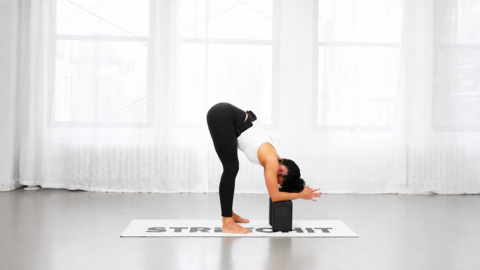
For example, in positions like pigeon or forward folds, many people aim to recreate a specific shape, even if their body cannot access it comfortably yet. This often leads to compensations, discomfort, or simply not feeling the intended stretch.
A more effective approach is to focus on the sensation rather than the visual outcome. The goal is not the pose itself, but whether you are actually targeting the intended muscle group.
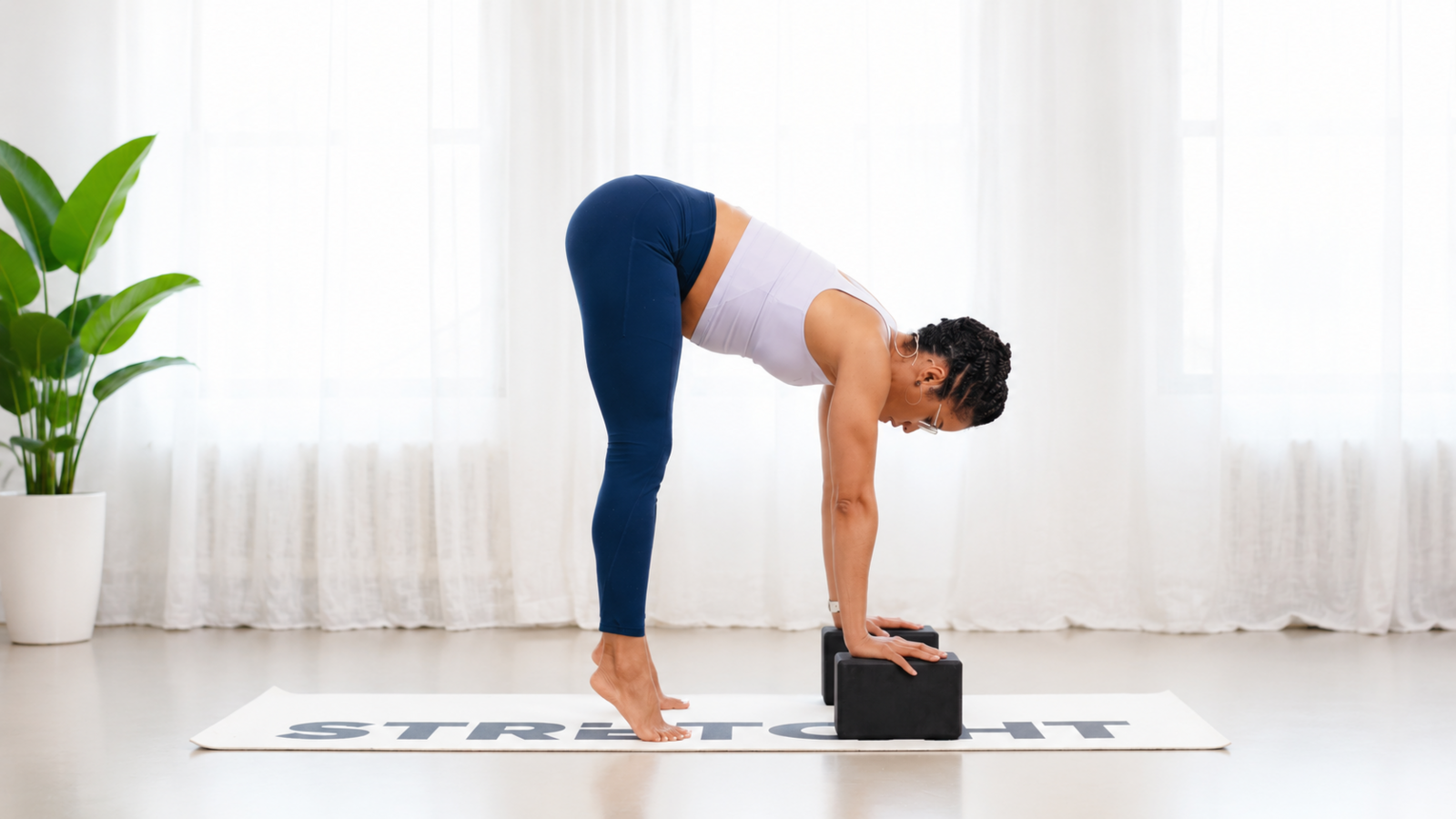
Small adjustments, like bringing the heel closer in pigeon or modifying your stance in a forward fold, can make the stretch more accessible and much more effective.
Mistake 2: Using positions that don’t match your current range
Another key point is that a position may not be “wrong” - it may simply not be right for you yet.
For example, if your pelvis cannot rotate forward in a pancake or forward fold, keeping the legs straight and narrow may limit your ability to feel the stretch at all.
In these cases, adjusting the position can make a big difference:
- Bend the knees to reduce restriction
- Widen the stance to allow more space
- Use props to support positioning
These changes are not regressions. They are ways to access the correct muscles and build toward more advanced positions over time.
Mistake 3: Staying passive in your stretches
Many people approach stretching as something passive - simply holding a position and waiting for it to work.
However, without engagement, the body may not feel stable or safe in deeper ranges.
Even subtle activation, like pressing into the floor or controlling your position, can change how a stretch feels and how effective it is. This aligns with the idea that strength and flexibility develop together, not separately.
Mistake 4: Ignoring how your body responds
Stretching is not one-size-fits-all. The same position can feel very different depending on your body, your history, and even your day.
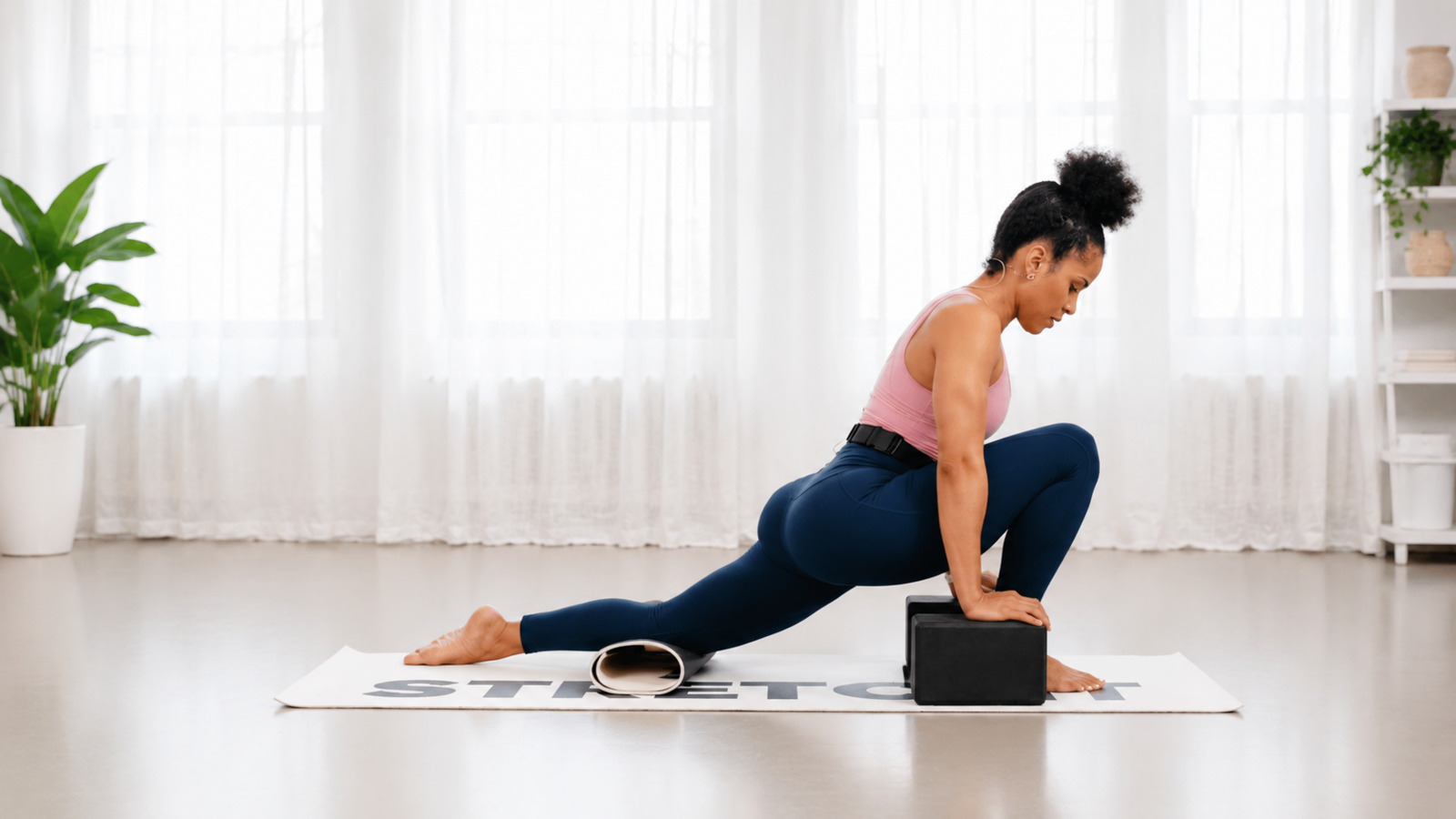
For example, feeling discomfort in a low lunge in the lower back instead of the hip may indicate that the position needs to be adjusted, not pushed through.
In many cases, bringing the shape into a more controlled position - such as a 90-90 variation - allows you to better target the intended area.
Listening to these signals is an important part of making progress.
Mistake 5: Expecting one position to work for everything
Another common misconception is expecting a single stretch to solve a limitation.
In reality, improving a position often requires working on related areas first.
For example:
- Improving glute mobility before progressing into pigeon
- Using low squat variations to access inner thighs before pancake
- Building strength in specific ranges before increasing depth
This layered approach helps create space and control, rather than forcing a position too early.
Technique matters more than intensity
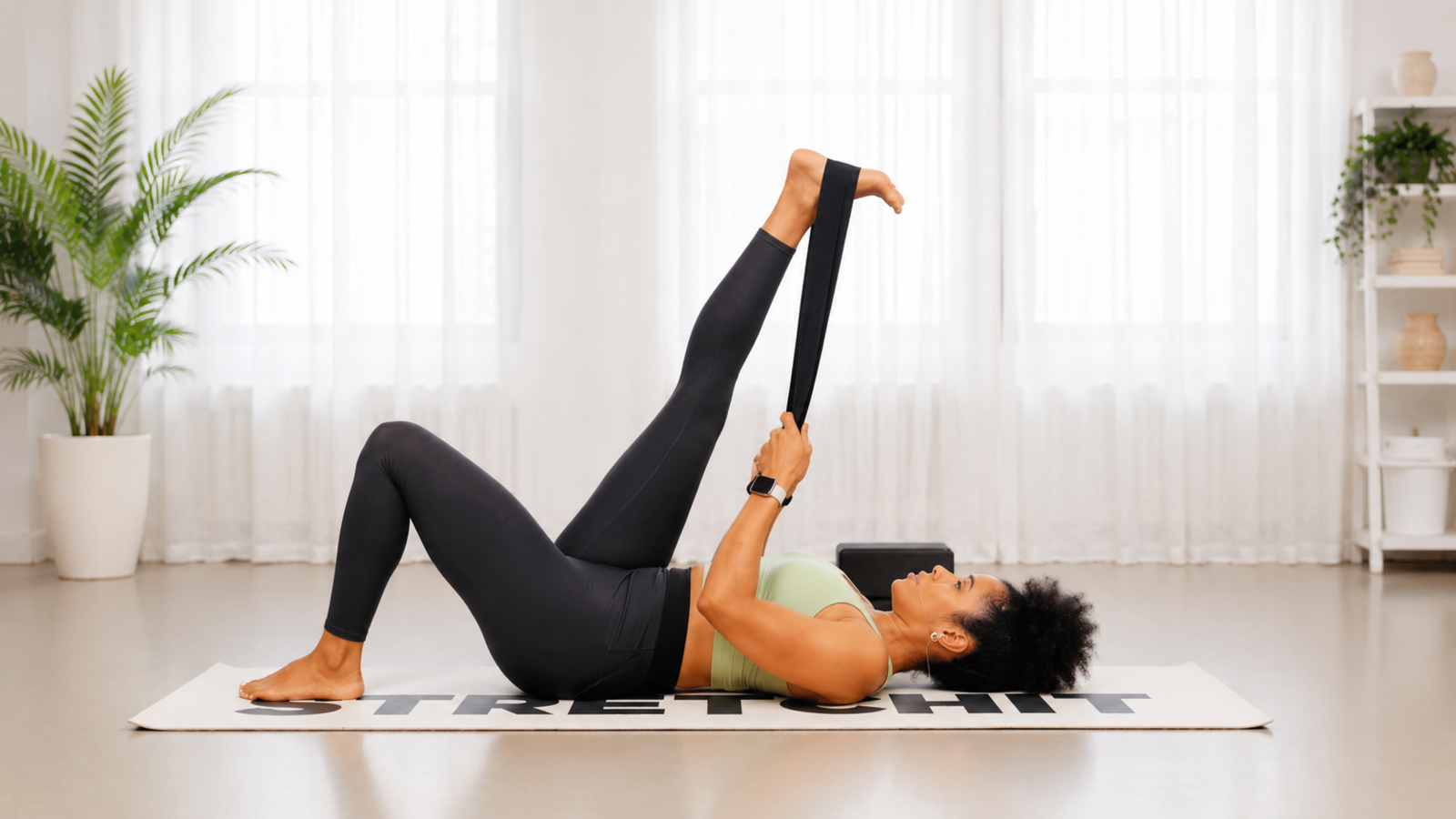
A key takeaway from the session is that technique plays a major role in how effective a stretch is.
Two people can be in what looks like the same position, but experience completely different outcomes depending on how they are engaging their body.
Adjusting alignment, stance, or support can significantly increase the value of a stretch without increasing intensity.
Building habits through small adjustments
Another important aspect is consistency. Small, intentional adjustments during your regular practice can act as micro wellness moments throughout the week.
These small improvements help build awareness and confidence in how your body moves. Over time, this often leads to a natural progression toward longer, more structured mobility or stretching sessions.
Rather than forcing intensity from the start, building the habit of adjusting and refining your positions can lead to more sustainable progress.
Key takeaways
- It’s not always about doing something wrong, but about choosing the right variation for your body
- The goal is to feel the stretch, not replicate a specific shape
- Adjustments like bending the knees or using props can improve effectiveness
- Strength and engagement support flexibility
- Progress often comes from working around limitations, not forcing through them
Get started with STRETCHIT
Understanding how to adjust positions is much easier with guidance. On STRETCHIT, our trainers integrate flexibility, strength, and control into structured programs designed to help you get the most out of every stretch.
If you’d like to explore these principles in practice, you can try guided sessions that help you adapt each position to your current level and build progress over time.
This article is for educational purposes only and does not constitute medical advice. If you experience pain or discomfort, please consult your healthcare provider before continuing.